How to Identify ‘Ceiling Glue Failure’ in Older Homes Before Gyprock Ceiling Repairs
If your Perth home was built in the 1970s, 80s, or 90s, there’s an invisible danger that may be hiding above your head. It’s called ceiling glue failure, and it’s one of the most common yet overlooked issues facing homeowners across Western Australia. Recognising the early warning signs can save you from sudden, dangerous ceiling collapses and the need for urgent Gyprock ceiling repairs in Perth, WA.
At WA Ceiling Fixers, we’ve spent years helping local homeowners understand this silent problem. Often, the first sign isn’t a dramatic collapse, but subtle clues that most people miss. The good news is that once you know what to look for, you can act early, avoid major disruption, and often choose a less invasive solution like ceiling strapping.
The Invisible Danger: How to Identify ‘Ceiling Glue Failure’ in Older Perth Homes
In decades past, builders relied heavily on construction adhesive, commonly known as stud adhesive, to fix Gyprock sheets directly to timber joists. This method was efficient and provided a smooth finish, but the adhesive was never designed to last indefinitely. After 30 to 50 years, the chemical bond begins to break down. When that happens, the weight of your ceiling is no longer securely held, and gravity starts to take over.
For many Perth homeowners, the first hint of trouble comes in the form of a small gap appearing between the ceiling and the cornice. Known as a “cornice gap”, this separation is the number one indicator that your ceiling sheets are letting go of the joists above. What you’re seeing is the Gyprock slowly pulling away from its fixings, and without intervention, it will only worsen.
The #1 Warning Sign: The Cornice Gap
Take a moment to look up at the edges of your ceiling, especially in older areas of your home. If you notice a fine crack or a visible opening between the decorative cornice and the ceiling sheet itself, that’s a red flag. This gap occurs because the ceiling sheet is no longer firmly attached to the joists, allowing it to sag slightly under its own weight.
In the early stages, you might dismiss it as a minor cosmetic crack. However, from a structural standpoint, it’s the first audible warning bell. Left unchecked, the ceiling can continue to drop, placing stress on the cornice, which may eventually crack or detach from the wall. Many homeowners only call for Gyprock ceiling repairs in Perth, WA, after the cornice has completely separated, by which point the risk of a section of ceiling falling is significantly higher.
Other Signs of Glue Failure
Beyond the cornice gap, other symptoms indicate your ceiling adhesive is failing:
- Sagging or rippling sheets: The once-flat surface may start to dip between joists, creating a wavy appearance.
- Nail pops: If clout nails were used alongside adhesive, you may see small bumps or dark spots where nails are pushing through the plaster.
- Creaking sounds: A ceiling that groans or creaks, particularly on windy days or when someone walks in the roof space, suggests movement of the sheets against the joists.
- Visible movement: If you can press up gently on a section of ceiling and it moves independently, the adhesive has failed.
All of these issues point to the same underlying problem: the original installation has reached the end of its functional life.
Why Perth Homes Are Particularly Affected
Perth’s climate plays a significant role in accelerating glue failure. Our hot, dry summers and mild winters cause timber joists to expand and contract repeatedly over the years. This constant movement stresses the adhesive bond, eventually breaking it. Homes built in suburbs like Joondalup, Stirling, Canning Vale, and Mandurah are now entering the high-risk age bracket.
Understanding this local context is essential. What might look like a simple cosmetic flaw is often the precursor to a much larger structural issue. That’s why experienced professionals assess the whole system, not just the visible surface. If you’re noticing any of the signs above, it’s wise to seek expert advice before the problem escalates into an emergency requiring full-scale Gyprock ceiling repairs in Perth, WA.
The Proactive Alternative: Ceiling Strapping
One of the most common misconceptions is that failing ceilings always need to be completely removed and replaced. While a full replacement is sometimes necessary, there is a smarter, cleaner alternative: ceiling strapping.
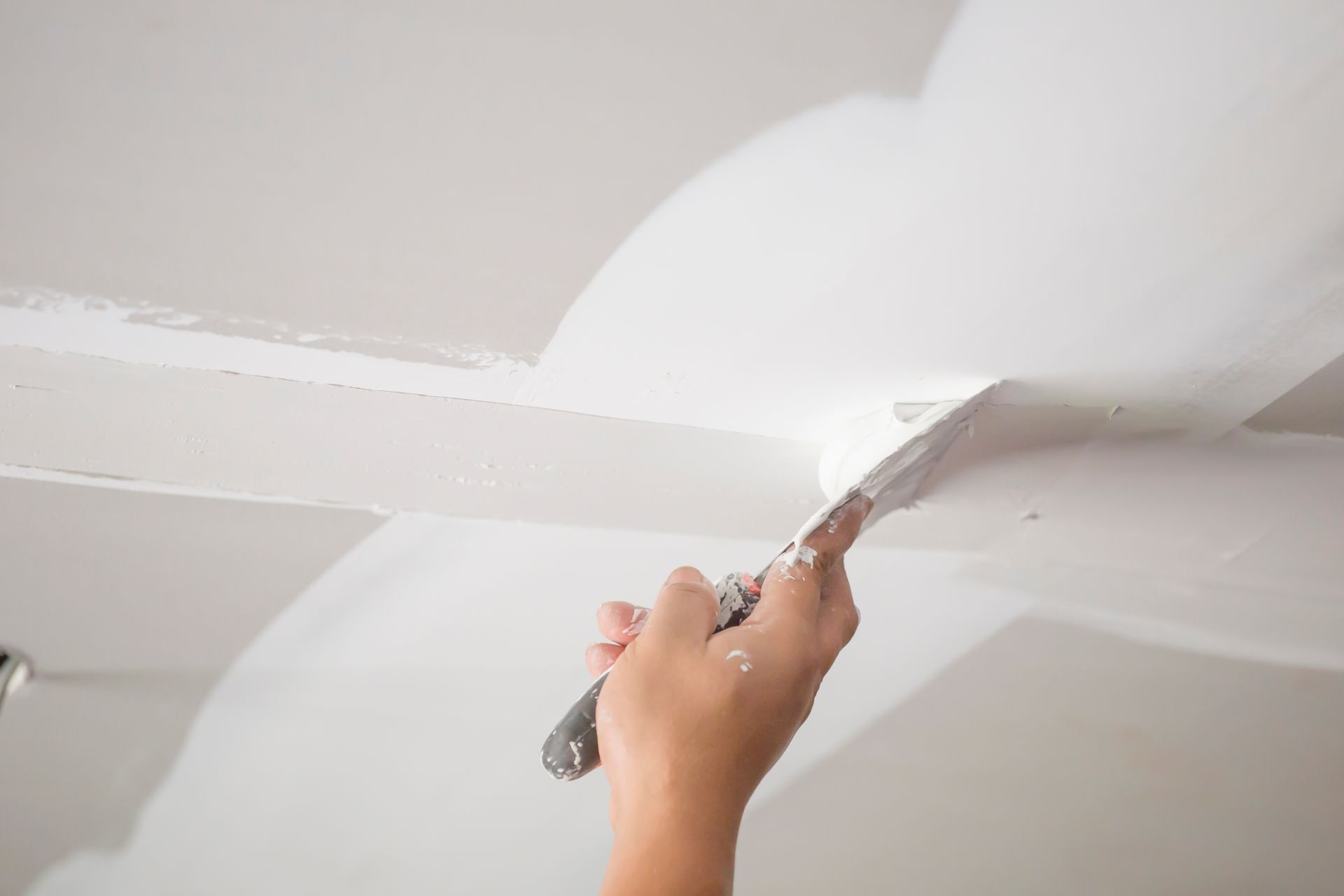
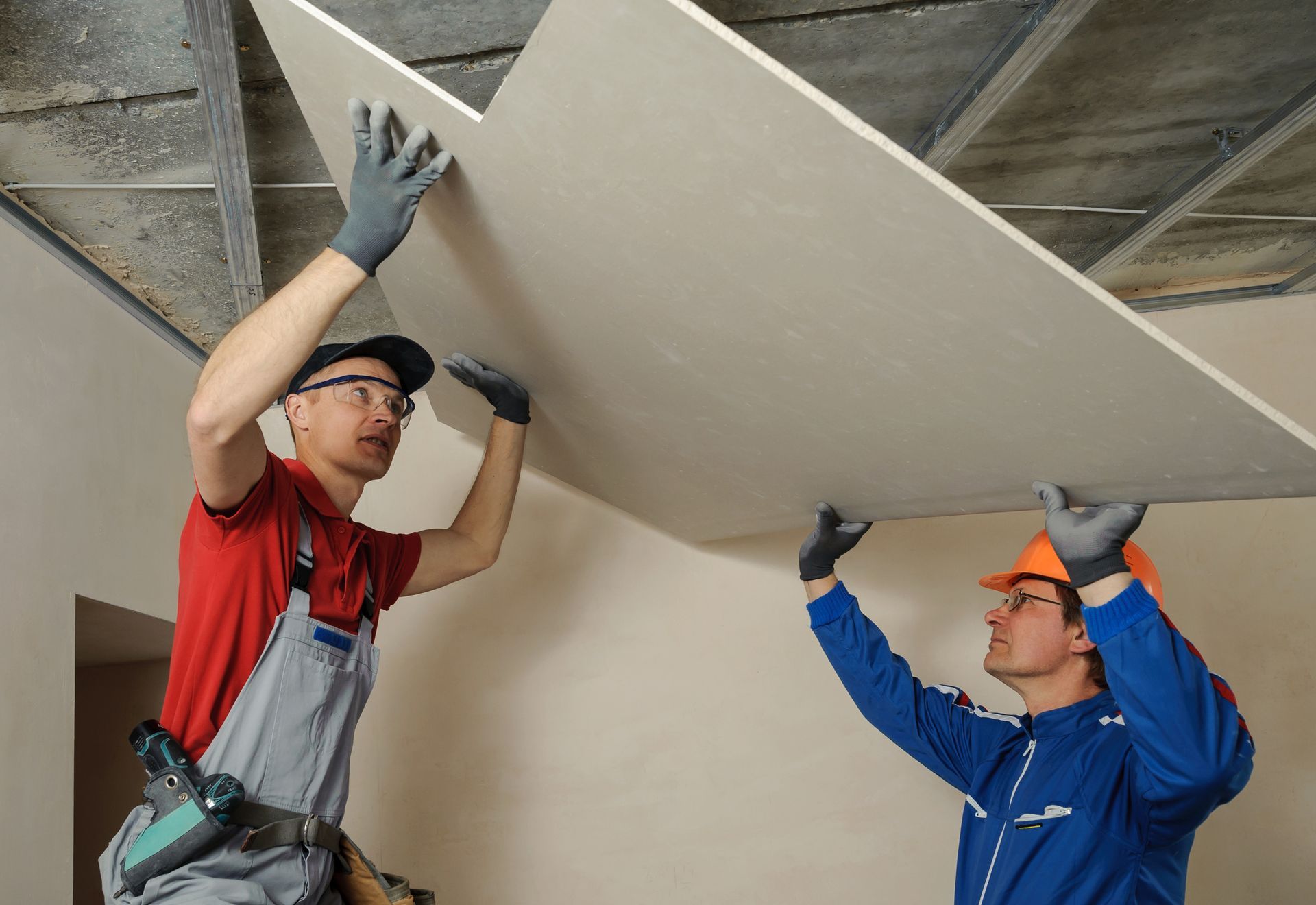
Ceiling strapping involves installing new timber battens (strapping) across the existing joists, mechanically fixed with screws and clout nails to create a fresh, secure framework. The original Gyprock sheets are then screwed into the new strapping, effectively “re-suspending” the ceiling without the dust, debris and disruption of a full demolition.
This approach offers several benefits for Perth homeowners:
- Minimal mess: Unlike a full removal, strapping keeps the existing ceiling intact, so there’s no demolition dust throughout your home.
- Time-efficient: Strapping can often be completed in a fraction of the time required for a complete strip and re-sheet.
- Cost-effective: By preserving the existing Gyprock, you save on material costs and labor for disposal.
- Long-term stability: The new strapping creates a more secure fixing system that accommodates natural timber movement better than adhesive alone.
When you choose strapping, you’re addressing the root cause of glue failure and giving your ceiling a new lease on life. It’s a solution we’ve successfully applied in hundreds of homes for Gyprock ceiling repairs in Perth, WA, from mid-century character properties to 1980s brick-and-tile family homes.
Why Professional Assessment Matters
Identifying glue failure isn’t always straightforward, especially if the damage is in its early stages. An experienced ceiling specialist will use a combination of visual inspection, gentle pressure testing, and an understanding of how your home was originally constructed to determine the extent of the issue. They’ll also check for related factors such as joist movement, previous repairs, and the condition of the cornice and wall junctions. This level of expertise ensures you receive the right recommendation, whether that’s monitoring, strapping, or a full replacement, rather than an unnecessary or inadequate fix.
If you’re concerned about any of the signs mentioned, it’s far better to have an inspection sooner rather than later. A ceiling that fails suddenly can cause injury, damage to flooring and furniture, and ultimately cost far more in emergency repairs than a planned intervention would have.
Contact Us for Expert Gyprock Ceiling Repairs in Perth, WA
Your ceiling is a critical part of your home’s structure. The invisible danger of glue failure is real, but with early identification and the right solution, it’s entirely manageable. By keeping an eye out for cornice gaps, sagging sheets, and other warning signs, you can take control of the situation before it becomes an emergency.
Whether your home needs ceiling strapping or more extensive work, the key is to act on what you’re seeing. A small gap today could save you from a much larger problem tomorrow.
If you’ve noticed a cornice gap, sagging sheets, or any other signs that your ceiling may be failing, don’t wait until it’s too late. The team at WA Ceiling Fixers specializes in diagnosing and resolving glue failure in older homes with Gyprock ceiling repairs in Perth, WA. We’ll inspect your ceiling, explain your options in plain terms, and carry out the work with minimal disruption to your home.
Contact us today to arrange a professional assessment.